

The January 19 Deadline: What You Need to Know
The big change: The One Big Beautiful Bill Act made 100% bonus depreciation permanent for property placed in service after January 19, 2025.
Before January 20: Only 40% bonus depreciation
Acquired after January 19, 2025: a 100% bonus depreciation allowance, permanent
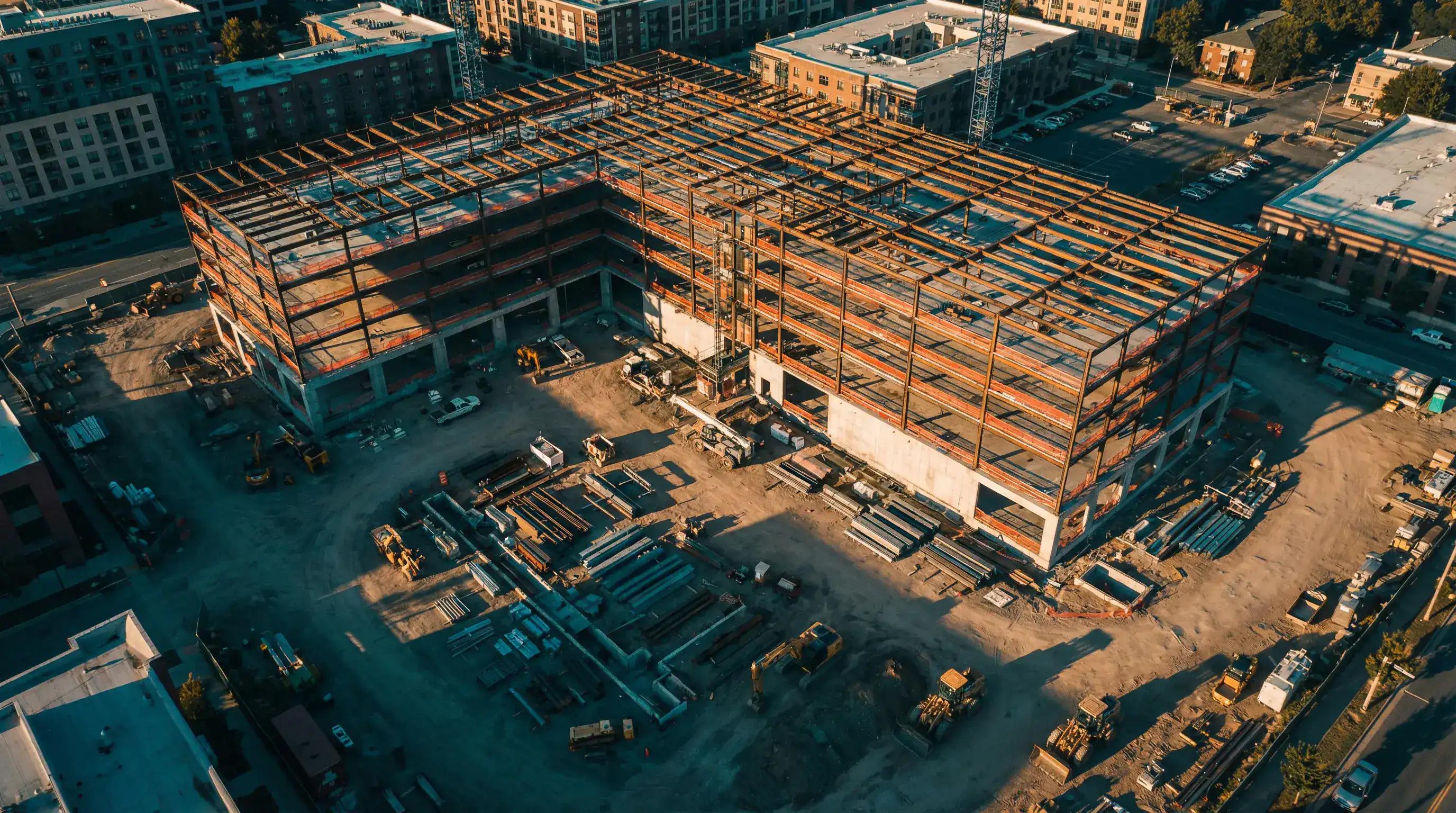
The catch: For construction projects that started before January 20, there's a "10% completion test."
If your project was more than 10% complete before January 20, 2025, it doesn't qualify for 100% bonus depreciation—even if you finish it months or years later.
This could cost you $100,000+ in lost tax savings.
Practitioner note (Overline): We’ve advised owners and contractors on timing the 10% test—cost records and scope separation are what decide outcomes.
How Much Could This Cost You?
Example: $500K qualifying renovation/equipment
| When You Qualify | Bonus Rate | Year-1 Deduction | Tax Savings (37% rate) |
|---|---|---|---|
| After Jan 19 ✅ | 100% | $500K | $185,000 |
| Before Jan 19 ❌ | 40% | $200K | $74,000 |
| Difference | $111,000 lost |
That's a six-figure difference based solely on timing.
The 10% Completion Test Explained (Simply)
The rule: If more than 10% of your construction project was done before January 20, 2025, the entire project only gets 40% bonus depreciation.
What counts as "completion": Actual construction work—"shoveling dirt," pouring concrete, framing, etc.
What doesn't count: Planning, permits, architectural fees, surveys—these "soft costs" don't count toward the 10%.
How to Calculate
Formula: Costs incurred before Jan 20 ÷ Total expected project cost
Example that FAILS:
- Total project budget: $2M
- Work done by January 19: $250K (foundation, site work)
- Percentage: $250K ÷ $2M = 12.5%
- Result: Disqualified (over 10%)
- Gets only 40% bonus, not 100%
Example that QUALIFIES:
- Total project budget: $2M
- Work done by January 19: $180K (mostly planning, some site work)
- Percentage: $180K ÷ $2M = 9%
- Result: Qualified! (under 10%)
- Gets 100% bonus when complete
What Counts Toward the 10%?
✅ COUNTS (Physical Construction)
- Excavation and foundation work
- Concrete and steel installation
- Framing and construction
- Plumbing and electrical rough-in
- Roofing
- Any actual building work
❌ DOESN'T COUNT (Soft Costs)
- Architectural fees
- Engineering fees
- Permits
- Surveys
- Legal costs
- Planning and design
The key: Physical construction counts. Paperwork doesn't.
Real Example: The $111K Mistake
Project: $2M office building
- Contract signed: November 2024
- Foundation work started: December 2024
- Completion: June 2026
By January 19, 2025:
- Foundation and site work completed: $250K
- Percentage done: $250K ÷ $2M = 12.5%
Result: FAILED the 10% test (over 10%)
The damage:
- Can only use the 40% allowance, the branch for property acquired before January 20, 2025 and placed in service in 2025
- Loses out on 100% bonus
- Cost segregation identifies $500K of qualifying property
- Lost tax savings: $111,000
If they'd kept it under 10%:
- Would qualify for 100% bonus
- Would save an extra $111K in taxes
- Same building, different timing
What If Your Project Started Before January 19?
Option 1: Slow Down (If Possible)
Keep work under 10% completion before January 20, then resume full speed.
Works for: Projects with flexible timelines
Option 2: Phase It
Break the project into separate phases with separate contracts.
- Phase 1: Accept 40% bonus
- Phase 2: Starts fresh after January 19 → gets 100% bonus
Works for: Large projects that can be logically separated
Option 3: Accept the 40%
If you're already over 10%, just accept 40% bonus and move forward.
Reality check: 40% is still better than the 0-20% rates that were coming before the One Big Beautiful Bill Act.
For New Projects Started After January 19
You're in the clear! No 10% test to worry about. Just:
- Complete the project
- Get a cost segregation study
- Claim 100% bonus depreciation on qualifying property acquired and placed in service after January 19, 2025
- Enjoy massive year-one deductions
Forever: Since 100% bonus is now permanent, this isn't a limited-time opportunity. You can plan long-term around these tax benefits.
Common Questions
Q: My project was 8% done by January 19. Do I qualify?
A: Yes. Under 10% means the property counts as acquired after January 19, 2025, so it sits on the 100% branch.
Q: How do I know what percentage my project was complete?
A: Your contractor should have cost records. Add up all costs incurred before January 20, divide by total project budget. Only count actual construction costs, not design/permits.
Q: Can I split one project into multiple contracts to game the system?
A: The IRS may treat related contracts as one project if they're obviously connected. Don't try to artificially split. Get professional advice.
Q: What types of property qualify for bonus depreciation?
A: Equipment, machinery, furniture, fixtures, and certain building improvements (like HVAC, lighting, flooring). Generally, anything with a 20-year or shorter depreciation life.
Q: Is this mandatory or can I opt out?
A: Optional. Some businesses prefer to spread deductions over multiple years rather than taking everything in year one.
Your Action Plan
If you're planning construction:
- Understand the January 19 deadline rules
- Work with your tax advisor on timing
- Plan for cost segregation to identify qualifying property
- Consider starting after January 19 for simplicity
If your project started before January 19:
- Calculate your completion percentage
- If under 10%: You're good!
- If over 10%: Accept 40% bonus or consider phasing
For all projects:
- Get a cost segregation study
- Maximize bonus depreciation benefits
- Document everything
- Work with tax professionals
Related Reading
For a quick cost segregation estimate, try Modern CFO's free calculator. For cost segregation vs bonus depreciation analysis, see Modern CFO's bonus depreciation guide.
Sources
- IRS Publication 946 — How to Depreciate Property: https://www.irs.gov/publications/p946
- 26 U.S.C. §168(k) — Bonus depreciation rules: https://www.law.cornell.edu/uscode/text/26/168
- IRS Cost Segregation Audit Techniques Guide (placed-in-service, construction context): https://www.irs.gov/pub/irs-pdf/p5653.pdf
Disclaimer: Tax rules are complex. This is educational content only. Consult qualified tax professionals for your specific situation.
